



$100 off your first order. Code: WELCOME100
Clinically driven oral and topical treatments designed to reduce shedding and support visible hair regrowth.
Discount auto-applied at checkout
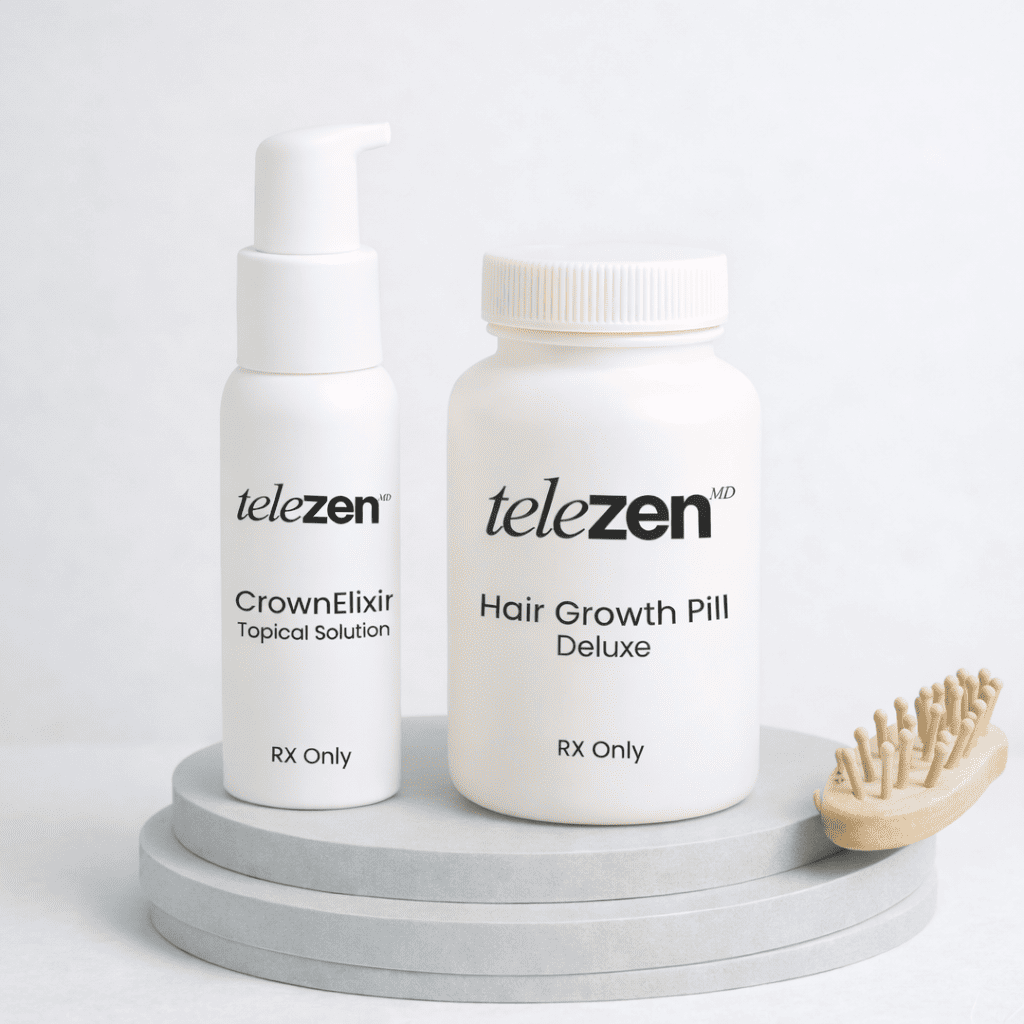
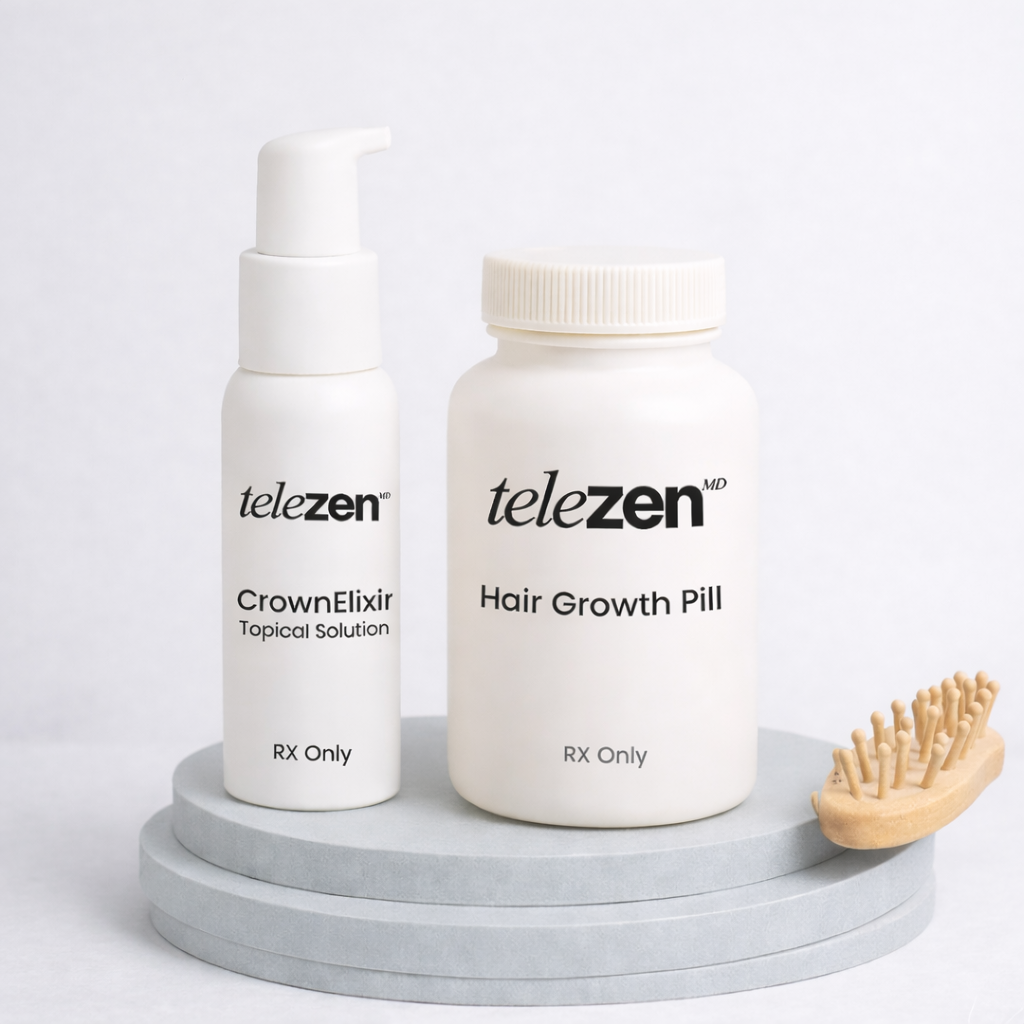
Most patients choose a combination treatment for stronger regrowth support.
Prescription Hair Growth offers a clinically driven approach to treating female hair thinning and hair loss. Unlike cosmetic hair products designed for general use, these prescription-strength treatments use clinically studied ingredients at concentrations intended to stimulate real follicle activity and support visible hair regrowth. Each treatment is reviewed by a licensed provider and compounded through regulated U.S. pharmacies, ensuring both safety and effectiveness. From hormonal hair thinning and excessive shedding to reduced density and scalp inflammation, our therapies are designed to target the biological processes that drive hair loss in women. No cosmetic shortcuts. No diluted formulas. Just medical-grade treatments designed to support stronger, healthier hair growth.
4.9/5
Prescription hair loss treatments are designed to support the biological processes involved in hair growth. Ingredients like Minoxidil help increase blood flow to hair follicles and support the active growth phase of the hair cycle. Some formulations may also include supportive ingredients that help improve scalp health and create a healthier environment for follicles to function.
Minoxidil is one of the most widely used medications for supporting hair regrowth and slowing hair thinning. It works by increasing blood flow to hair follicles and helping extend the growth phase of the hair cycle.
GHK-Cu is a copper peptide studied for its role in tissue repair and skin health. In scalp formulations, it may help support follicle health and improve the scalp environment needed for healthy hair growth.
Hair grows in cycles, which means results develop gradually. Some people begin to notice reduced shedding within the first few months, while visible improvements in hair density and regrowth may take several months of consistent treatment. Staying consistent with your treatment plan helps support the best long-term results.
The statements on this page have not been evaluated by the Food and Drug Administration. Compounded medications are not FDA-approved. All treatment decisions are made by a licensed provider based on your individual health profile and medical needs.
* Prices shown reflect the estimated monthly equivalent cost of our quarterly and semi-annual plans.
All multi-month plans are paid in full at checkout, or with buy now, pay later options. Actual pricing may vary based on the medication and treatment plan prescribed by your provider.
*The FDA does not review or approve compounded medications for safety or effectiveness. Compounded medications are prepared by licensed pharmacies pursuant to a valid prescription.
100,000+ Happy Patients
Hair thinning and hair loss are more common than many women realize. In fact, over 50 percent of women experience noticeable hair thinning during their lifetime, often due to changes in hormones, genetics, stress levels, or the natural aging process.
Hair follicles move through natural growth cycles. When that cycle becomes disrupted, hair may shed faster than it regrows, leading to thinning areas, a widening part, or reduced hair density over time.
Several factors can influence this process, including hormonal shifts, pregnancy, menopause, rapid weight loss, nutritional deficiencies, genetics, and certain medical conditions.
While it is normal to lose up to 100 hairs per day, persistent shedding or visible thinning may indicate that the follicle growth cycle needs additional support.
Prescription-strength hair treatments work by helping stimulate follicles, improve scalp conditions, and support healthier hair growth cycles over time.
With the right treatment approach, many women are able to slow shedding and support visible regrowth.
Provider-reviewed oral and topical therapies designed to support follicle health and visible hair regrowth in women experiencing thinning or shedding.
*Most patients choose an oral + topical combination treatment for stronger regrowth support.
Maximum Strength System
$188 per month*
A comprehensive oral and topical treatment protocol designed to support hair regrowth through both internal follicle support and direct scalp stimulation.
Active Ingredients
Minoxidil
Vitamin E
Biotin
Tretinoin
Fluocinolone
Melatonin
Most Popular Treatment
$118 per month*
A balanced oral and topical hair regrowth system designed to support healthier follicles, improve scalp conditions, and encourage visible regrowth over time.
Active Ingredients
Minoxidil
Tretinoin
Fluocinolone
Biotin
Melatonin
$33 per month*
A prescription oral treatment designed to support hair regrowth by improving blood flow to hair follicles and helping extend the active growth phase of the hair cycle.
Active Ingredient
Minoxidil 2.5 mg
$98 per month*
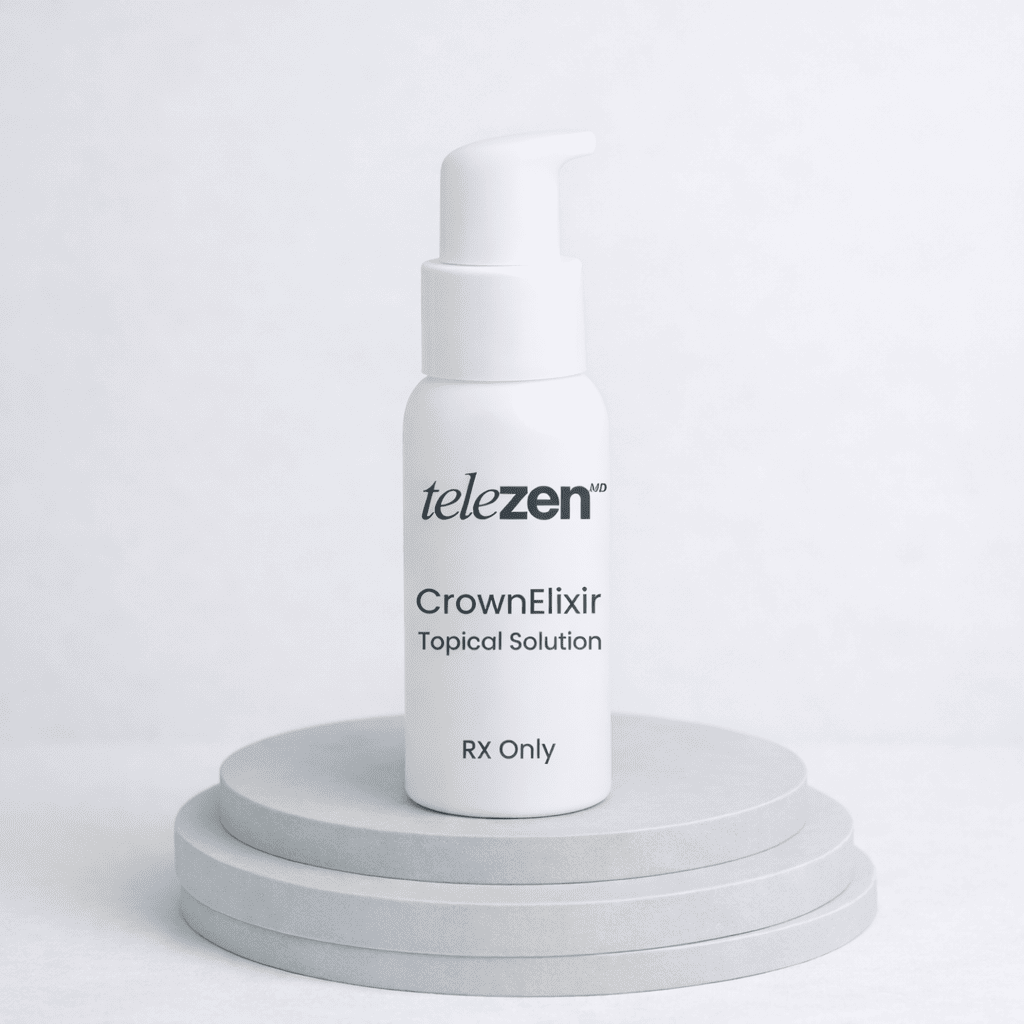
A prescription topical solution designed to stimulate follicle activity and support visible hair regrowth by improving ingredient absorption and supporting scalp health.
Active Ingredients
Minoxidil
Tretinoin
Fluocinolone
Biotin
Melatonin
$76 per month*
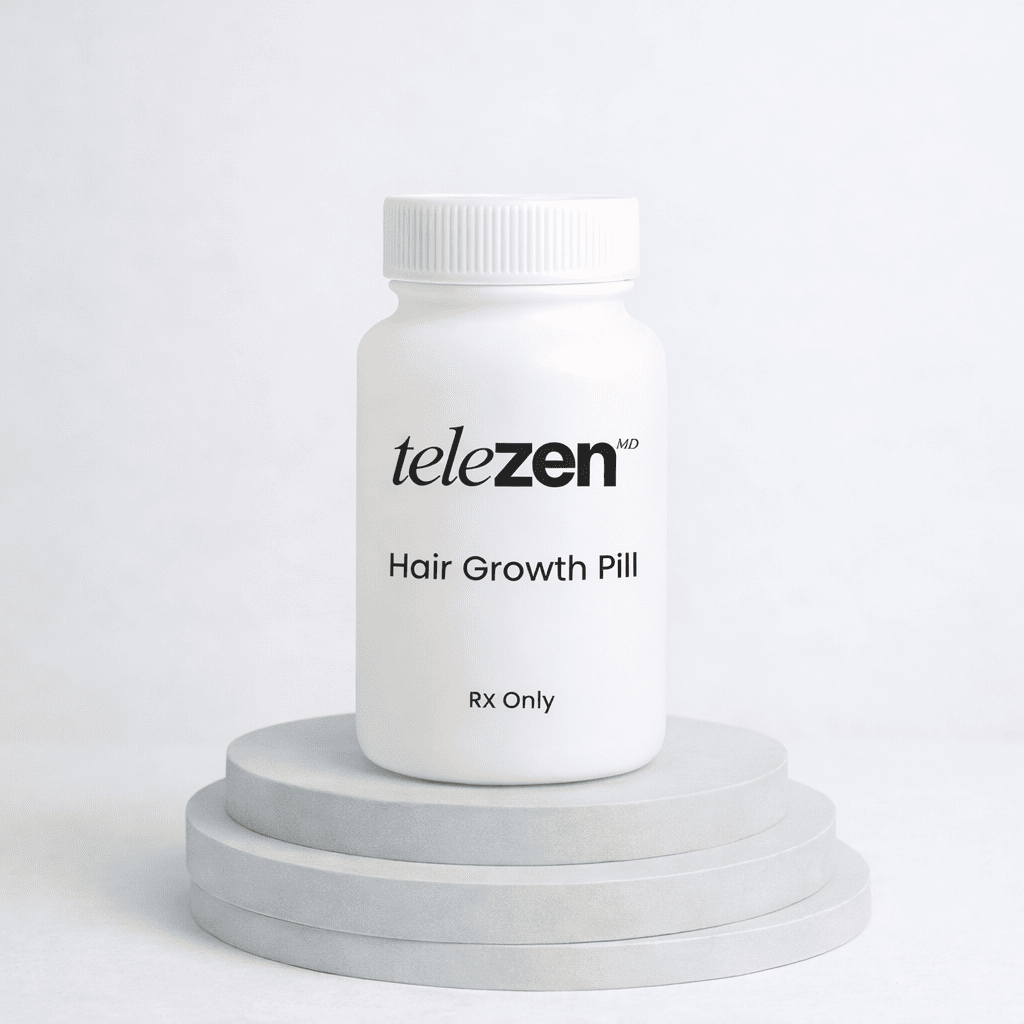
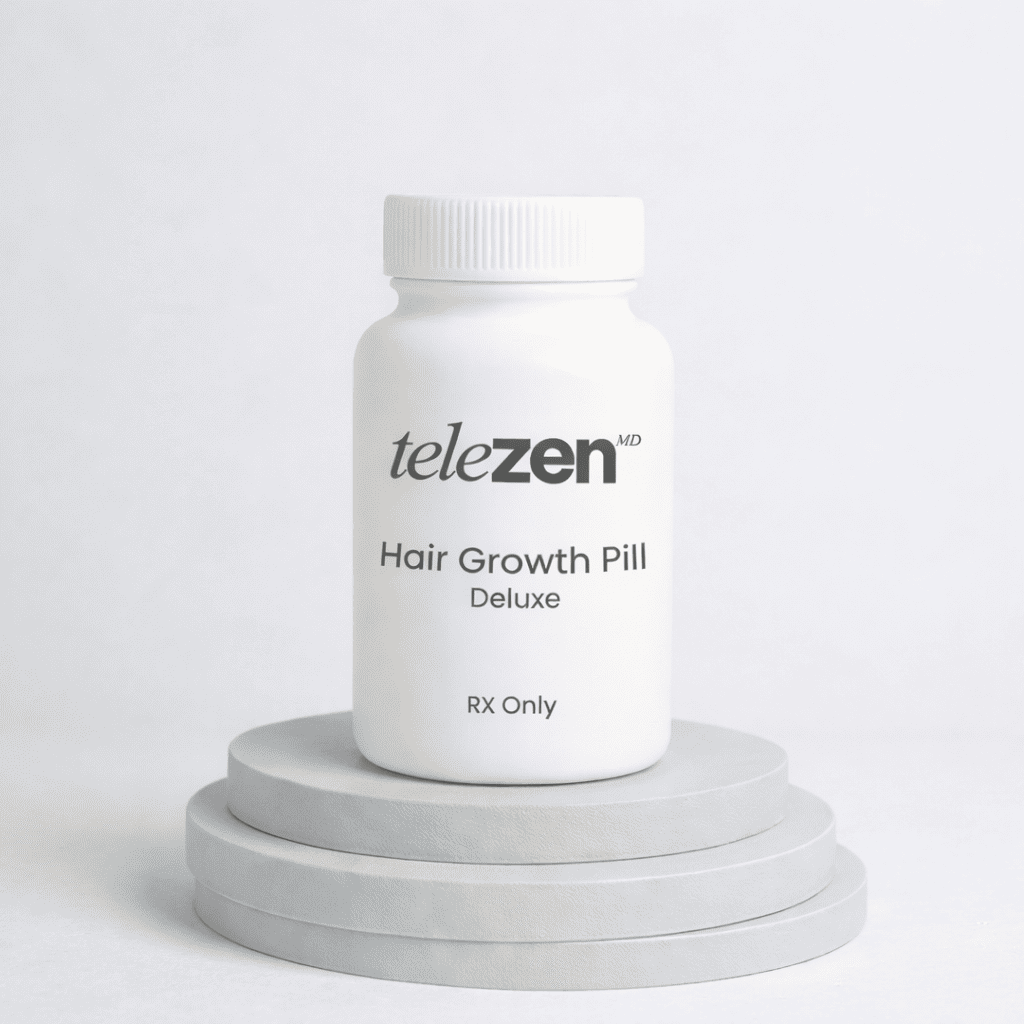
An enhanced oral formula designed to support follicle strength and healthier hair growth by combining minoxidil with nutrients commonly used to support hair density and reduce shedding.
Active Ingredients
Minoxidil
Vitamin E
Biotin
$118 per month*
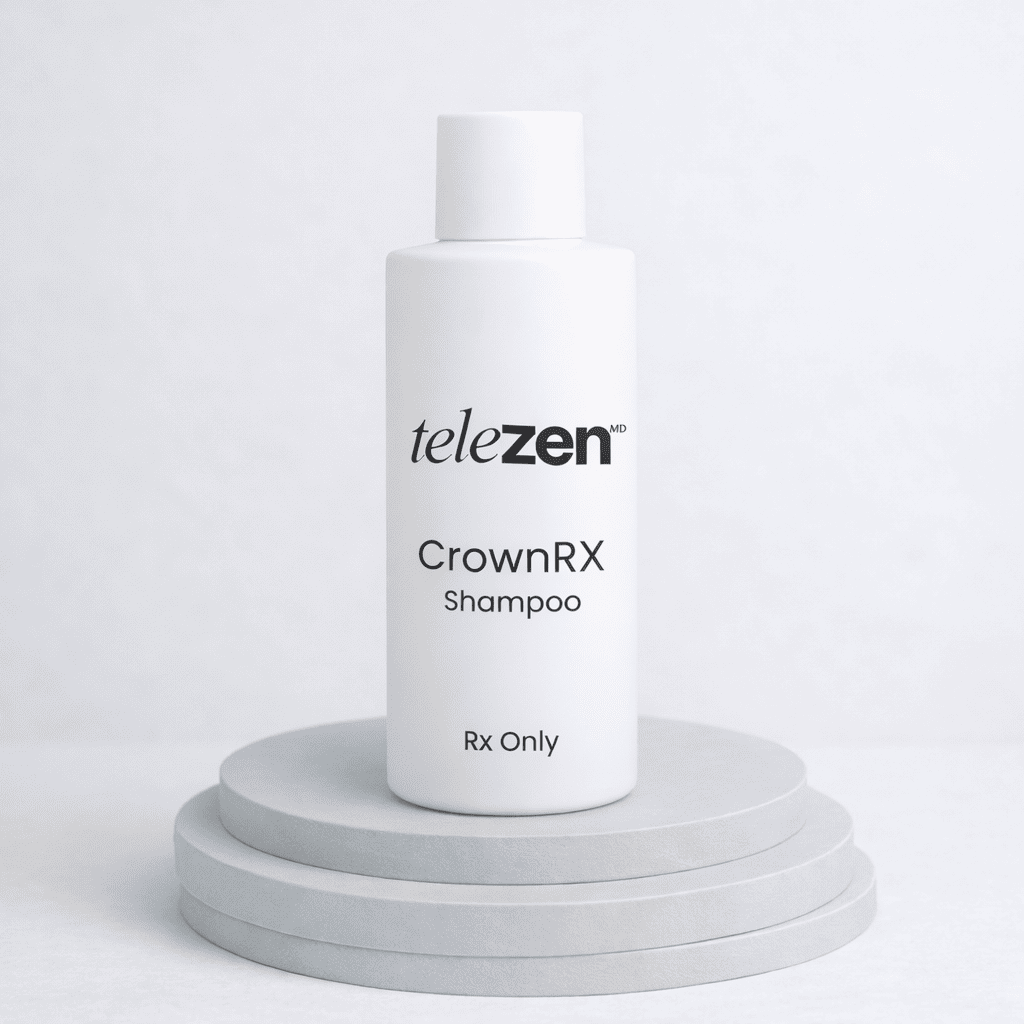
A medical-grade shampoo designed to cleanse buildup, support scalp health, and create a healthier environment for stronger hair growth.
Active Ingredients
Panthenol
Vitamin E
Hyaluronic Acid
Zinc
Caffeine
Ketoconazole
Niacinamide
$88 per month*
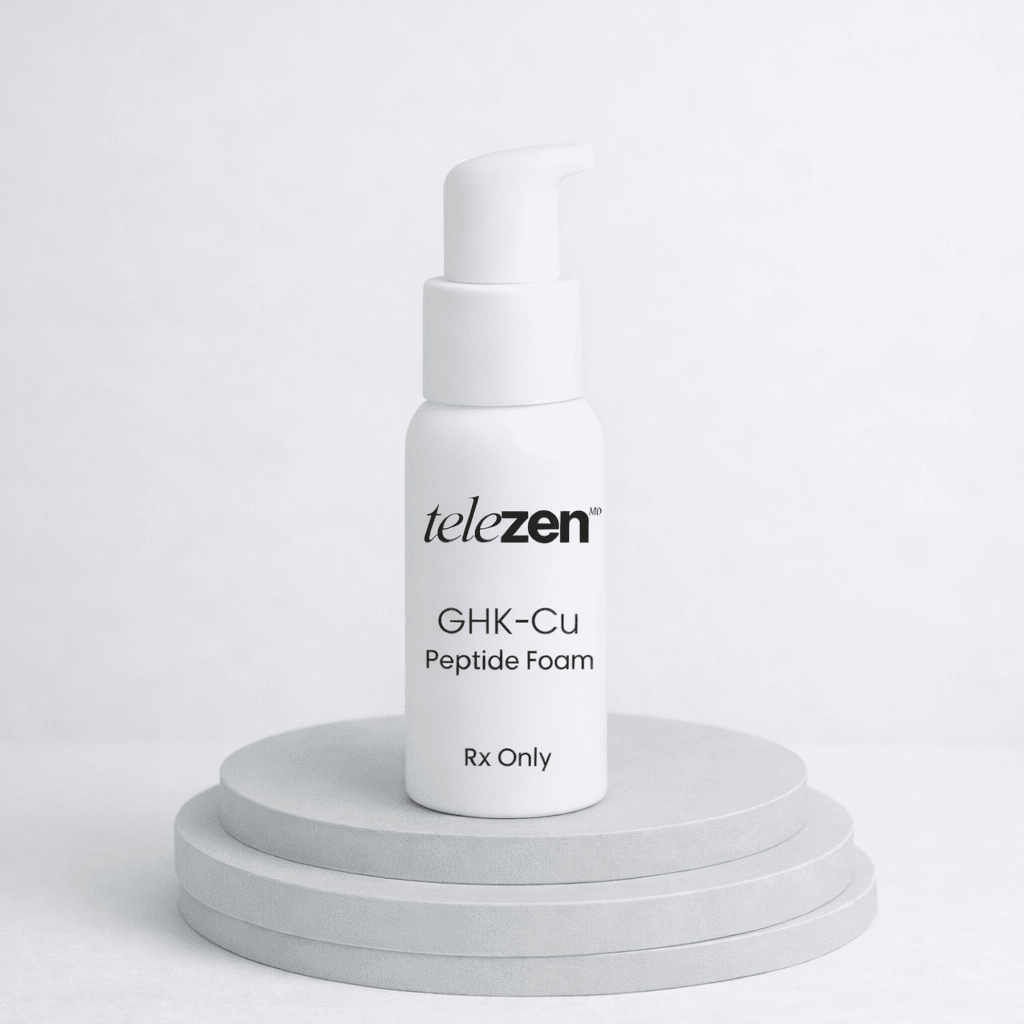
A peptide-based topical foam designed to support scalp repair and follicle health. GHK-Cu peptides are studied for their role in skin regeneration and long-term hair density support.
Active Ingredient
GHK-Cu Peptide 0.5%
*Billed quarterly where applicable. Monthly price shown for clarity. $25 annual provider review fee applies.
Happy Members

Google Review
of Telzen Md customers have left 5 star reviews
Would recommend Telezen to their family and friends
For many women, hair loss is more than a cosmetic issue. It can slowly lead to insecurity, frustration, and a loss of confidence that affects how they feel about themselves day to day.
The good news is that we now have treatment plans that can address many of the root causes behind hair thinning and help support real regrowth over time.”
Step
1
Complete a short online intake and connect with a licensed medical provider through Telezen MD’s secure telehealth platform. Your physician will review your health history and determine whether a personalized treatment plan is appropriate for you.
Step
2
If approved, your prescribed medication is prepared by our partner pharmacy and shipped directly to your home. Delivery is discreet, fast, reliable, and included with your care.
Step
3
Telezen MD provides continued physician oversight, 24/7 access to medical support, and a seamless patient portal experience—along with structured digital education and behavioral support designed to help you stay consistent and achieve results.
Telezen MD works exclusively with US-licensed, quality-audited 503A compounding pharmacies selected through a deliberate review process led by our medical and operations team. We do not partner with mass-production or lowest-cost facilities. Instead, we prioritize sterile environments, documented quality systems, and consistency from batch to batch. We build long-term relationships with our pharmacy partners to ensure treatments remain reliable, personalized, and aligned with long-term patient outcomes. This is how we deliver care with intention, accountability, and a higher standard than transactional telehealth models.
Telezen MD is led by a board-certified medical team dedicated to providing safe, effective, and science-backed treatments. Our U.S.-licensed healthcare providers carefully evaluate each patient and create personalized prescription treatment plans tailored to your unique goals — from vitality and wellness to longevity and aesthetic health.

Comprehensive family medicine, preventative care, and evidence-based treatment across the lifespan.
Education & Training:
Providing patient care through Telezen MD’s physician-led telehealth platform.

Obesity medicine, metabolic health, weight management, and long-term wellness-focused care.
Board Certifications:
Providing patient care through Telezen MD’s physician-led telehealth platform.
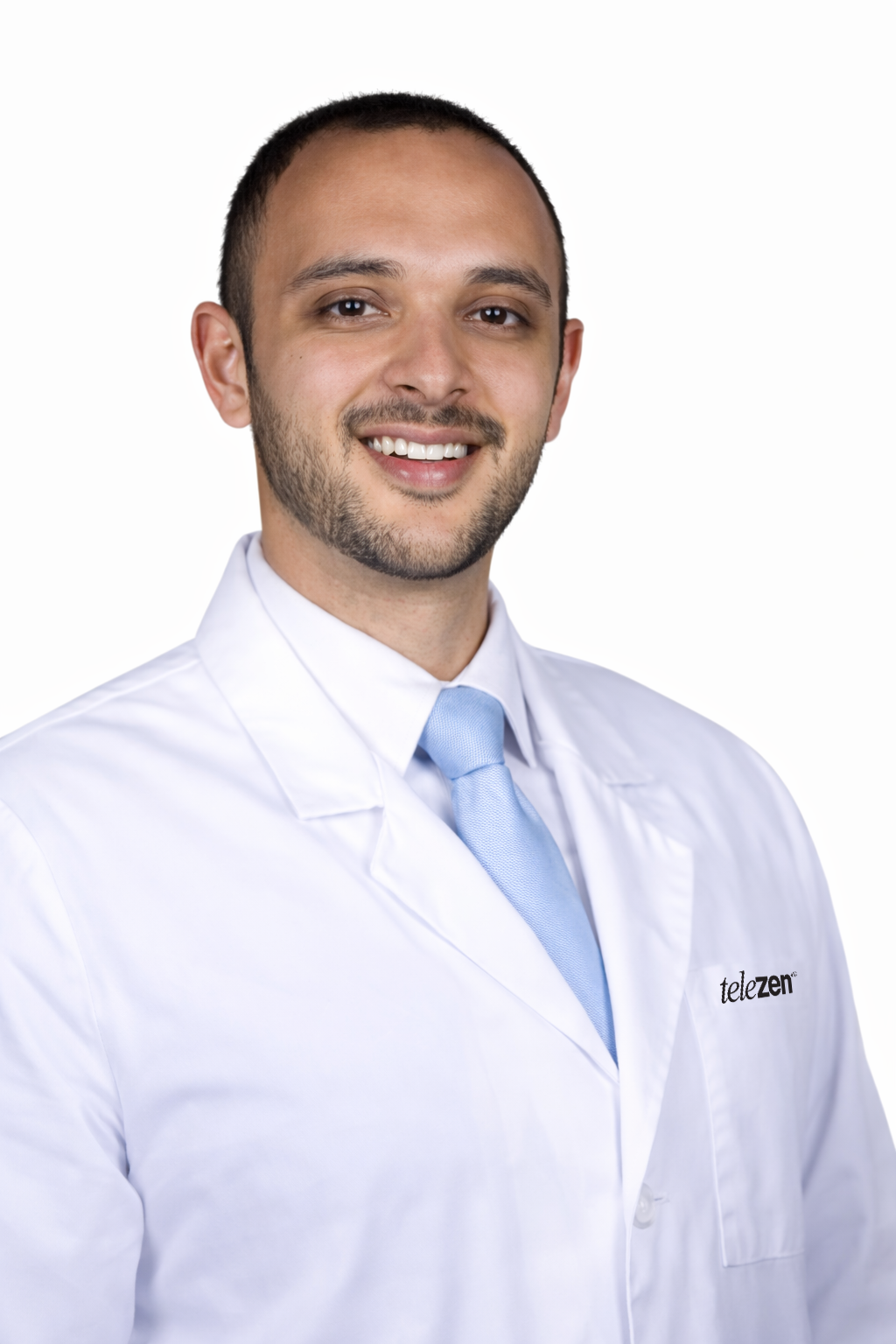
Internal medicine, telemedicine, and personalized care with a focus on accessibility and continuity.
Education & Training:
Providing patient care through Telezen MD’s physician-led telehealth platform.
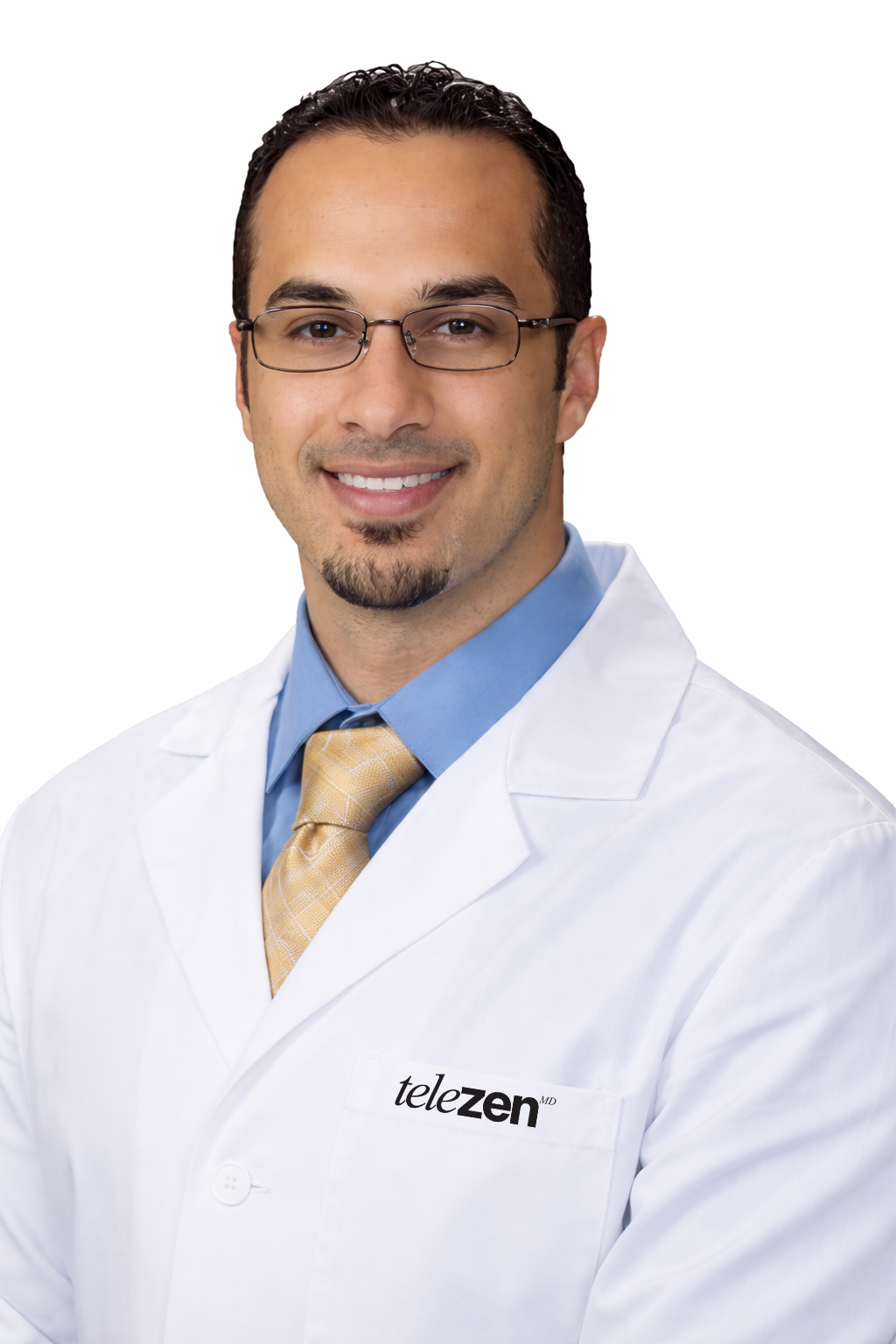
Internal medicine, preventative care, chronic disease management, and telehealth-based patient care.
Education:
Providing patient care through Telezen MD’s physician-led telehealth platform.


Comprehensive family medicine, preventative care, and evidence-based treatment across the lifespan.
Education & Training:
Providing patient care through Telezen MD’s physician-led telehealth platform.

Obesity medicine, metabolic health, weight management, and long-term wellness-focused care.
Board Certifications:
Providing patient care through Telezen MD’s physician-led telehealth platform.

Internal medicine, telemedicine, and personalized care with a focus on accessibility and continuity.
Education & Training:
Providing patient care through Telezen MD’s physician-led telehealth platform.

Internal medicine, preventative care, chronic disease management, and telehealth-based patient care.
Education:
Providing patient care through Telezen MD’s physician-led telehealth platform.

Hair thinning in women can occur for many reasons, and it is often a combination of factors rather than a single cause. Hormonal changes, genetics, stress, rapid weight loss, nutritional deficiencies, aging, and certain medical conditions can all influence the hair growth cycle.
When follicles shift into a shorter growth phase, hair may shed faster than it regrows. Over time this can lead to reduced density, a widening part, or hair that simply feels thinner than it used to.
Understanding the underlying cause helps guide treatment, since effective therapies typically focus on supporting follicle health and the natural hair growth cycle.
Prescription hair treatments are designed to support the biology of the hair follicle and the hair growth cycle. Certain medications help improve blood flow to the scalp, encourage follicles to remain in the active growth phase longer, and support healthier regrowth over time.
Topical therapies work directly at the scalp, while oral treatments may support follicles from within. Some patients use a combination of both approaches to support regrowth through multiple pathways.
Several clinically studied ingredients are commonly used in prescription hair regrowth protocols. One of the most widely used is minoxidil, which supports blood flow to the follicle and helps prolong the growth phase of the hair cycle.
Other ingredients may be included to support scalp health, reduce inflammation, improve absorption of topical therapies, and support follicle signaling. The specific combination used may vary depending on the treatment plan.
Hair grows in cycles, so improvements occur gradually. Many patients first notice reduced shedding before they see visible regrowth.
Early changes may appear within the first few months, while improvements in density and regrowth often require several months of consistent treatment. Because the hair cycle takes time to shift, patience and consistency are important when evaluating results.
Some people experience temporary shedding during periods of rapid weight loss. This is often related to metabolic stress, shifts in nutrient intake, or hormonal changes rather than the medication itself.
During significant metabolic change, follicles may temporarily enter a resting phase, which can lead to increased shedding several months later. In many cases this type of shedding is temporary and follicles recover once the body stabilizes.
Yes. Hormonal shifts are one of the most common contributors to female hair thinning.
During perimenopause and menopause, declining estrogen levels can influence follicle signaling and the hair growth cycle. This can cause hair to grow more slowly, shed more easily, or appear less dense over time.
Hair regrowth treatments support the hair growth cycle while they are being used. If treatment is discontinued, some people may gradually return to their previous pattern of thinning.
Many patients transition to a maintenance routine once they reach their desired level of regrowth in order to continue supporting follicle health.
Yes. Telezen MD hair loss therapies are prescription based and require review by a licensed healthcare provider.
Patients begin by completing an online medical intake that allows the provider to evaluate medical history, medications, and health factors before determining whether treatment is appropriate.
Yes. A medical evaluation is required before prescription hair loss treatments can be provided.
This evaluation allows a licensed provider to determine whether treatment is appropriate and safe based on the patient’s health history and individual circumstances.
Hair loss treatments are generally well tolerated when prescribed appropriately and used as directed. Safety depends on individual health factors, medications, and medical history.
This is why prescription treatments require provider review before being dispensed.
Some treatments may not be appropriate for individuals with certain medical conditions or medication interactions. A provider review helps determine whether a treatment is suitable for a specific patient.
If a therapy is not appropriate, the provider may recommend alternative options or additional evaluation.
Results vary depending on the cause of hair thinning, the condition of the hair follicles, and how early treatment begins.
Many people experience reduced shedding and improvements in hair density with consistent treatment, but individual responses can vary.
Hair loss treatments are available only to patients who qualify following an online medical consultation with a licensed healthcare provider. Any potential benefits described are based on published scientific research and clinical observations and are not guarantees of individual outcomes. Results may vary.
Physicians may prescribe compounded medications when clinically appropriate to meet individual patient needs. Compounded medications are not reviewed or approved by the U.S. Food and Drug Administration (FDA) for safety or efficacy. The statements on this page have not been evaluated by the FDA and are not intended to diagnose, treat, cure, or prevent any disease.
This information is provided for educational purposes only and should not be considered medical advice. Always consult with a qualified healthcare professional regarding any medical condition or treatment.
Product packaging, labeling, and appearance shown on this website are for illustrative purposes only. Actual packaging may vary depending on the compounding pharmacy, prescription requirements, and clinical determination.
Below is a selection of peer-reviewed scientific studies related to prescription hair loss treatments and ingredients commonly used in clinical hair regrowth protocols. These studies are provided for informational purposes and to support ongoing scientific research into hair follicle biology and female hair thinning.
Journal of the American Academy of Dermatology – Olsen et al.
https://pubmed.ncbi.nlm.nih.gov/12196747/
This large randomized clinical trial evaluated topical minoxidil in women with androgenetic alopecia and demonstrated significant improvement in hair density compared with placebo.
Journal of the American Academy of Dermatology – Lucky et al.
https://pubmed.ncbi.nlm.nih.gov/15034503/
This study confirmed the effectiveness of topical minoxidil for female pattern hair loss and showed improvements in hair regrowth and reduced hair shedding over time.
International Journal of Trichology
https://pmc.ncbi.nlm.nih.gov/articles/PMC7325226/
Clinical data from patients using low-dose oral minoxidil showed improvements in hair density and stabilization of hair shedding in many participants.
Clinical Pharmacology & Therapeutics
https://pubmed.ncbi.nlm.nih.gov/2328551/
Research suggests tretinoin may increase the absorption of topical minoxidil through the scalp, potentially improving treatment response in some patients.
Dermatology – Piérard-Franchimont et al.
https://pubmed.ncbi.nlm.nih.gov/9669136/
This research explored the role of ketoconazole shampoo in supporting scalp health and reducing inflammatory factors associated with androgenetic alopecia.
International Journal of Trichology
https://pmc.ncbi.nlm.nih.gov/articles/PMC3681103/
Clinical research has explored topical melatonin as a potential support for hair growth cycles and scalp biology.
International Journal of Molecular Sciences
https://pmc.ncbi.nlm.nih.gov/articles/PMC6073405/
This research discusses the biological activity of copper peptides, including roles in tissue repair, skin regeneration, and cellular signaling pathways that may influence follicle health.
Skin Appendage Disorders
https://pubmed.ncbi.nlm.nih.gov/28879195/
This review examines the role of biotin in hair health and its potential benefit for individuals with documented deficiency affecting hair growth.